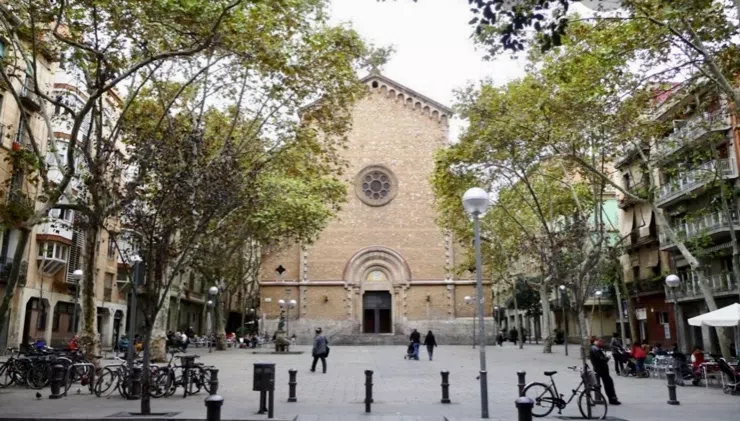
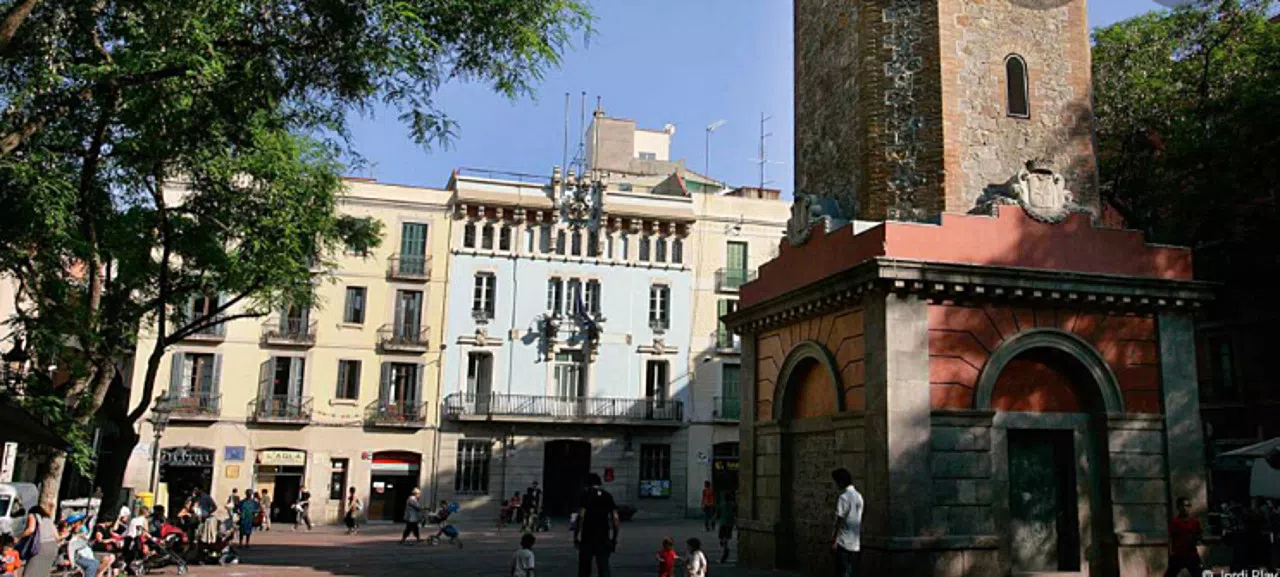
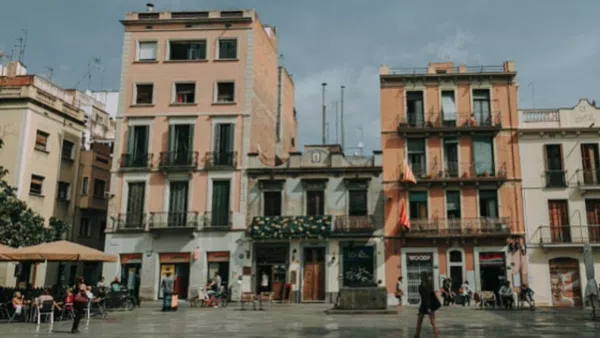
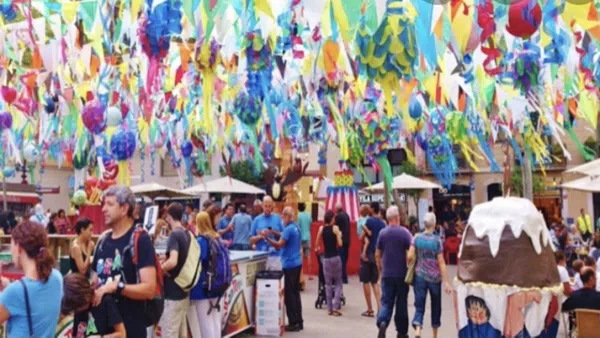
La Vila de Gràcia is one of the most charismatic neighborhoods in the city of Barcelona. It still conserves its small and narrow streets, of a rural nucleus, articulated around the streams that crossed the area, and its inhabitants proudly proclaim their belonging to Gràcia and the gracienc spirit, which is rekindled every summer in the most popular festivals in Barcelona. Vila de Gràcia is a pleasure to walk around and to look at. The most creative shops are spread throughout its streets and the culture of the terrace is established in all the squares of the old town, and there are many. Any time of day, and night, is the right time to stop, sit on a terrace and watch life go by in Gràcia.
Gràcia are many Gràcies. It is the modernist that saw the first buildings of the architect Antoni Gaudí, such as the Casa Vicens, near the Plaza de Lesseps; It is the one of other emblematic squares, such as the Virreina, the Diamant square —which Mercè Rodoreda turned into a novel—, the Plaza del Sol, with its multiculturalism, or the Plaza de la Revolució, republican and liberal; it is also that of the Gypsy Gràcia of Catalan rumba, that of independent theaters such as the Lliure; the one that is capable of mixing the neighborhood neighbor with the most bohemian modernity of the artists who settle in its workshops. Gràcia is walking through Gràcia, entering a world of curious shops, new crafts, designs from yesterday and today, enjoying the manor houses, enjoying the fresco in the squares or watching an art-house film, during the day or at night. There is always something to do in Gràcia.
Until the seventeenth century, this neighborhood was no more than a few isolated farmhouses, three religious convents and a tower that the bourgeoisie had built as a summer home. The entry of the 19th century brought industrialization, and Gràcia became important, since it provided free land to be able to build and install industries. It was the moment when Gràcia began to claim its independence, and achieved it up to three times: in 1821, in 1828 and in 1849. The town of Gràcia was definitively annexed to Barcelona in 1897, but years before the great artery that it would link the center of the city of Barcelona with a town in full expansion: Passeig de Gràcia, which took advantage of the old path that linked both centers.
But not everything was industrialization in the town of Gràcia. For more than two centuries, the treatment of livestock was in the hands of the gypsy community, settled in the surroundings of the Plaza del Raspall. A community of well-being gypsies who, like the residents of Gràcia, articulated their lives around the squares and streets. A melting pot that mixed flamenco rhythms with Cuban and salsa sounds that came from American immigrants. The result: the Catalan rumba, a typically Gràcia musical style.